












Imagine this: You’re on a long-distance ride or a camping trip, far from the city, with no access to power outlets. But you’ve brought along a car battery or a portable power station. When your electric bike is running low on power, you’ll need a device that can convert 12V DC (car power) into 220V AC. That’s exactly what a 12V to 220V inverter is for.These devices not only solve the problem of outdoor charging but are also useful in unexpected situations like power outages or off-grid adventures.
This article will explore the need for a 12V to 220V converter for charging, along with tips on how to choose the right model.

Understanding the Charging Needs of an Electric Bike
Electric bike batteries are generally configured with different voltages, often 36V or 48V. During charging, it is crucial to use a suitable power source to ensure battery safety and efficiency. By using a 12V power source (such as a car battery) and a 12V to 220V converter, this voltage can be transformed to charge the e-bike battery.
How a 12V to 220V Converter Works
The basic principle of a 12V to 220V converter is to transform a 12V power source into 220V alternating current. There are several types of converters on the market, the most common being pure sine wave and modified sine wave converters. Pure sine wave converters offer more stable voltage, ideal for devices requiring precise power, while modified sine wave models are generally less expensive and suitable for everyday use.
Criteria for Choosing a Converter
When selecting a suitable converter, several important criteria should be considered:
-
Wattage Capacity: Make sure the converter can meet the power needs of your e-bike battery. Some models may require over 300W for effective charging.
-
Portability: Consider the weight and size of the converter for easy transport and storage. A lightweight, compact device is more practical for regular cyclists.
-
Safety: Choose converters with protection against overvoltage, overloads, and short circuits to safeguard both the battery and the charger.
-
Brand Reliability: Opting for products from reputable brands often ensures better quality and more reliable after-sales support.
🔌Recommended Converter Examples
1️⃣ 12V 200W Converter
Suitable for: Occasional riders, short-distance commuters
Features: Lightweight and compact, plug and play
Advantages: Affordable price, meets most light-use scenarios
2️⃣ 12V 500W Converter
Suitable for: Heavy users, long-distance riders
Features: Higher power output, faster charging
Advantages: Strong safety features, wide compatibility, long service life
Fiido: Recommended Electric Bike Models
For optimal use with a converter, here are two Fiido electric bike models to consider:
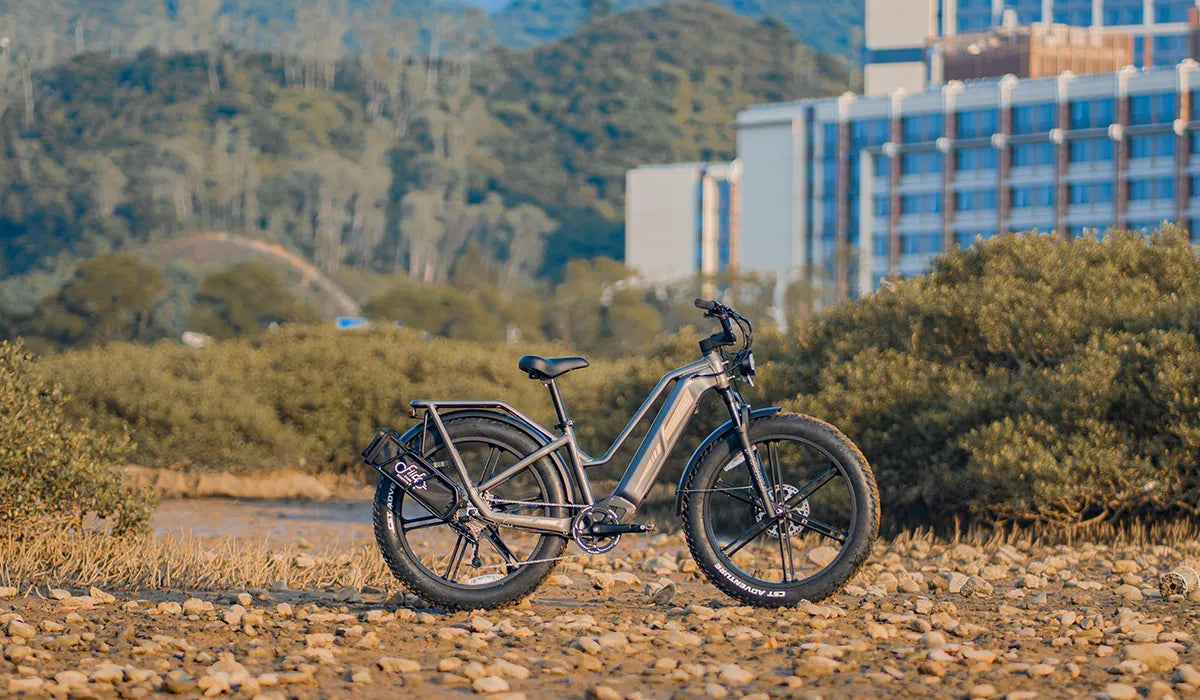
Fiido Titan
Description: The Fiido Titan touring electric bike is a high-performance e-bike designed for various riding environments.
Features:
-
Equipped with a 70 N·m motor, it easily climbs hills and navigates tough terrains, reaching a top speed of 35 km/h.
-
Its 48V removable battery provides up to 70 km of range, ideal for long rides.
-
Its foldable design makes storage and transport easy, making it a smart choice for urban living.
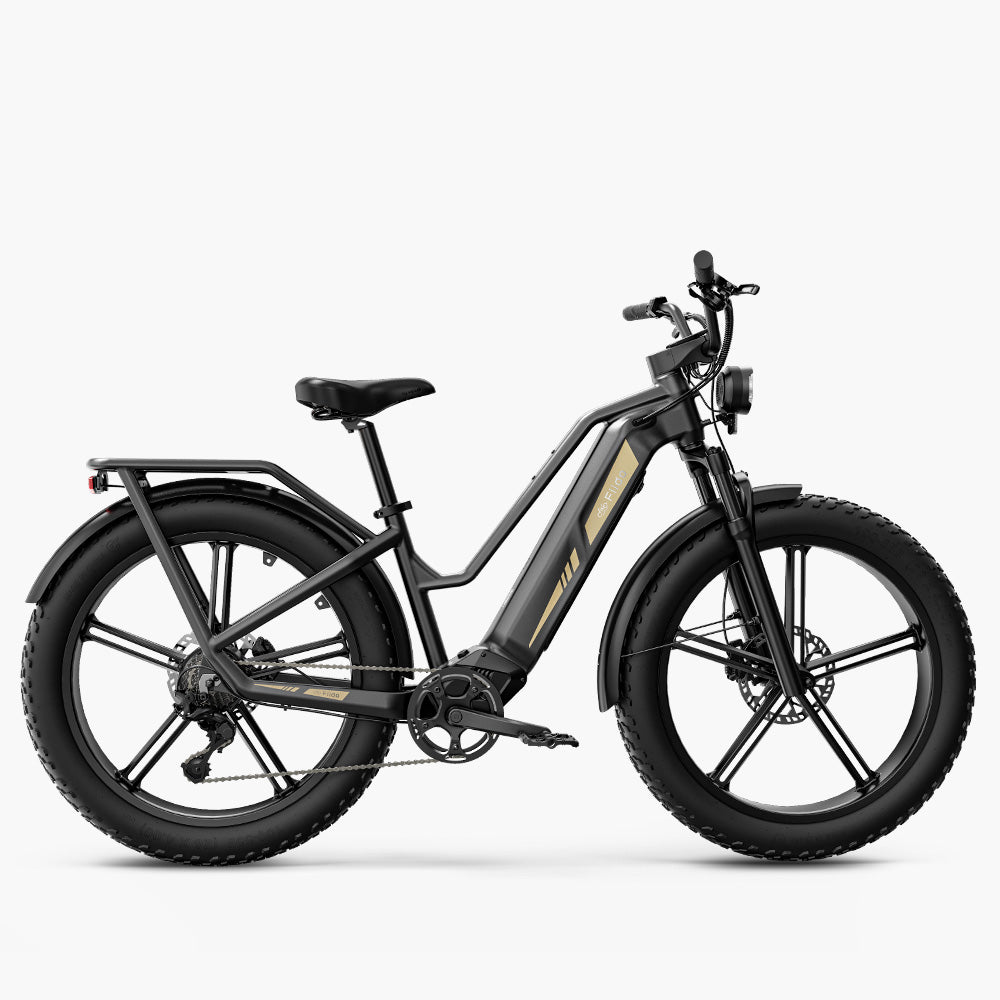
Fiido Titan Robust Cargo Electric Bike
£1,545,00Get It NowA powerhouse with a 347 km range and 4-piston brakes, ideal for hunting and fishing trips.
Reminder: Prices are subject to the product detail page ,some earlier card details may have been updated.
Conclusion
When choosing a 12V to 220V converter to charge an electric bike, it’s essential to consider power, portability, safety, and brand reliability. Both the 200W and 500W converters are suitable for this task. As for electric bikes, the Fiido Titan is a reliable and efficient Fat Tire Ebike that meet charging needs. By choosing your equipment wisely, you can easily solve charging challenges and enjoy a better riding experience.
Frequently Asked Questions (FAQ)
Q: Can I charge while driving?
A: It is not recommended due to safety concerns. It’s better to use the converter when the vehicle is parked.
Q: Can this be used with all electric bikes?
A: Most e-bikes with 36V or 48V batteries are compatible. The key is to check your charger's power requirement.
Q: Does the converter get very hot?
A: High-quality converters have thermal protection and won’t overheat.
Q: Can a power bank replace a car battery?
A: Yes, as long as it provides a stable 12V output with sufficient current.


