












Ask a dozen cyclists "how many calories do you burn cycling?" and you'll get a dozen different answers — because the honest answer is: it depends. Two riders completing the same route in the same time can burn vastly different numbers of calories based on who they are and how they ride.
The same complexity applies when comparing a traditional bike to an electric bike (e-bike). The gap between them is narrower than most people assume, and in some scenarios an e-bike rider can match — or even exceed — the calorie burn of a casual road cyclist. The five factors below explain exactly why.

Body Weight & Metabolic Rate
Your body weight is the single most influential variable when calculating how many calories you burn cycling. The more you weigh, the more energy your muscles and cardiovascular system must produce to propel yourself forward — meaning a heavier rider consistently burns more calories than a lighter rider at the same speed and duration.
Exercise scientists estimate calorie burn using MET (Metabolic Equivalent of Task) values. Moderate cycling (12–14 mph) carries a MET of approximately 8.0, while vigorous cycling (16–19 mph) climbs to 10–12.
Calorie Burn Formula
Calories Burned = MET × Body Weight (kg) × Duration (hours)
Example 1: 70 kg rider, moderate pace, 1 hour → 8.0 × 70 × 1 = 560 calories
Example 2: 90 kg rider, same conditions → 8.0 × 90 × 1 = 720 calories
For e-bike riders, body weight still plays a significant role, but its effect is partially offset at higher assist levels where the motor absorbs more of the workload. At low assist settings, the weight-to-calorie relationship closely mirrors that of traditional cycling.
Riding Speed and Exercise Intensity
Speed is directly tied to cardiovascular demand. As pace increases, heart rate rises, muscles work harder, and calorie expenditure accelerates — often non-linearly once wind resistance becomes the dominant force above roughly 15 mph (24 km/h). At that point, doubling your speed can quadruple the energy required to overcome drag.
The table below shows approximate calorie burn for a 155 lb (70 kg) rider on a regular bicycle across different speed ranges:
| Speed | Intensity Level | Approx. Calories / Hour | Effort |
|---|---|---|---|
| Under 10 mph (16 km/h) | Light leisure | 270–360 kcal | Low |
| 12–14 mph (19–22 km/h) | Moderate | 450–580 kcal | Medium |
| 16–19 mph (26–30 km/h) | Vigorous | 650–810 kcal | High |
| 20+ mph (32+ km/h) | Racing / HIIT | 860–1,100+ kcal | Very High |
On an e-bike, the motor sustains higher speeds with less personal effort, which generally reduces calorie burn at equivalent speeds. However, once riders push beyond the motor's assist threshold — typically 20–28 mph depending on e-bike class — all additional speed must come from their own power output, reintroducing steep calorie expenditure.
Terrain and Route Conditions
The landscape you ride through profoundly shapes calorie expenditure. Flat roads produce a relatively consistent energy output, while hilly terrain forces your muscles into intense anaerobic bursts during climbs — dramatically spiking calorie burn and triggering the afterburn effect (EPOC), where your body continues consuming elevated calories for hours post-ride as it recovers.
Research shows that cycling on hilly terrain increases calorie expenditure by 20–50% compared to an equivalent distance on flat ground. Surface type also matters: loose gravel, packed dirt, and wet pavement all increase rolling resistance and energy cost compared to smooth asphalt.
- Flat road: Steady, moderate burn — ideal for endurance and longer sessions.
- Rolling hills: Natural interval training effect; raises total burn by 25–35% versus flat riding.
- Steep climbs: Maximum calorie burn per minute — 50%+ more than flat riding at the same speed.
- Headwind: Even a 15 mph headwind can increase calorie demand by 15–25%.
For e-bike riders, motor assist reduces the physiological toll of climbing significantly compared to unaided cycling. That said, the additional weight of an e-bike — typically 45–70 lbs versus 18–30 lbs for a road bike — means navigating technical terrain, handling, and low-speed maneuvering still demands meaningful physical effort from the rider.
Support Modes Directly Affect Calories Burn
One of the most overlooked factors for e-bike riders is the pedal-assist level — or support mode — selected during a ride. Unlike a regular bike where all propulsion comes from the rider's body, an e-bike allows precise control over how much work the motor performs, directly controlling the physiological demand placed on your muscles and cardiovascular system.
Most modern e-bikes offer three to five assist tiers. Understanding the calorie implications of each empowers riders to use their e-bike as a genuine, adaptable fitness tool:
| Support Mode | Description |
|---|---|
| Low (Eco / Level 1) | At this setting, the motor contributes only 20–40% of total propulsion, leaving the majority of work to the rider's legs. Calorie burn closely approaches that of a traditional bicycle — approximately 400–600 calories per hour for a 70 kg rider at moderate pace. Heart rate remains consistently elevated, cardiovascular conditioning improves substantially, and leg muscle recruitment is near-equivalent to non-assisted cycling. This is the optimal mode for fitness-focused rides, active commuting on flat-to-moderate routes, and anyone seeking maximum metabolic return from their e-bike session. |
| Medium (Tour / Level 2–3) | At medium assist, the motor contributes roughly 50–60% of total power output — the most commonly used setting for everyday e-biking. Calorie burn typically falls between 300–450 calories per hour for a 70 kg rider. While less intense than low support, medium mode still provides meaningful aerobic exercise, and research confirms heart rate reaches moderate-intensity levels (50–70% of max HR) during typical medium-assist rides. This setting is ideal for riders managing joint discomfort, those commuting who prefer to arrive without excessive perspiration, or for sustaining effort across longer distances. |
| High (Turbo / Boost / Level 4–5) | In full or high assist, the motor assumes 70–100% of propulsion and the rider functions primarily as a steering mechanism rather than a primary power source. Calorie burn drops to approximately 180–300 calories per hour — comparable to a brisk walk rather than a cycling workout. While this significantly limits fitness benefits, high support mode serves important purposes: making e-bikes accessible to riders with limited mobility or serious health conditions, enabling cargo transport, recovering after intense previous exercise, or covering long distances without exhaustion. A strategic rider may use this mode only for steep climbs or final stretches before a destination. |
A practical fitness approach is to vary your assist level intelligently throughout each ride — dialing to low support on flat sections to accumulate aerobic work, stepping up to medium on moderate inclines, and reserving high assist for very steep terrain or arrival. This strategy maximises calorie burn and cardiovascular benefit while still enjoying the core advantage of e-bike riding: making every route feel achievable.
Calorie Burn Comparison: Electric Bike Vs. Cycling (Biking)
To appreciate the full picture, we need to examine the calorie burn between traditional cycling and e-bike riding under equivalent real-world conditions. According to global research and the latest data, cycling typically burns 300 to 1,000+ calories per hour while you can burn 300 to 600 calories per hour riding an e-bike, depending on speed, pedal-assist level, weight, and terrain.
This makes the performance gap considerably narrower than many people expect. In some scenarios — such as an e-biker using low assist across hilly terrain — calorie burn can actually exceed that of a casual road cyclist on flat ground. The comparison table below maps the two across common riding conditions for a 155 lb (70 kg) rider:
| Riding Scenario | Regular Bike (kcal/hr) | E-Bike Low Assist | E-Bike Medium Assist | E-Bike High Assist |
|---|---|---|---|---|
| Flat road — leisure pace | 300–380 | 270–355 | 210–285 | 175–235 |
| Flat road — moderate pace | 450–580 | 400–510 | 305–405 | 215–300 |
| Rolling hills — moderate effort | 580–750 | 490–640 | 370–485 | 245–330 |
| Vigorous / fast road pace | 680–890 | 560–710 | 420–565 | 280–370 |
| High intensity / steep climbs | 880–1,100+ | 640–800 | 490–625 | 310–400 |
📊Research Highlight:
A peer-reviewed study published in the International Journal of Environmental Research and Public Health found that e-bike riders covered significantly greater distances and rode more frequently than regular cyclists. When total weekly ride time was factored in, regular e-bike riders achieved
comparable or greater cumulative calorie expenditure
per week — largely because reduced exertion barriers made them far more likely to ride daily.
The conclusion is clear: the "best" bike for burning calories is the one you consistently ride. E-bikes lower barriers — of distance, fitness level, terrain fear, and sweat — and frequently lead to higher ride frequency. When frequency and duration are properly accounted for, dedicated e-bike riders can achieve substantial metabolic benefits that rival those of less consistent traditional cyclists.
Burn Calories with Fiido Electric Bikes
Choosing the right electric bike can make a big difference in how many calories you burn while riding. Fiido offers a variety of models that cater to different needs, from mountain terrain to urban commuting, all while helping you maximize calorie burning through adjustable power assistance.
Fiido M1 Pro
The Fiido M1 Pro is a fat tire electric bike with a powerful motor and large tires, ideal for rough terrain. In low assist or manual mode, you can increase your effort, resulting in higher calorie expenditure, especially on hilly trails.

Fiido M1 Pro Fat Tire Electric Bike
The most cost-effective fat tire ebike for off-road adventures.
Reminder: Prices are subject to the product detail page ,some earlier card details may have been updated.
Fiido T2
The Fiido T2 is a fat-tire cargo e-bike, perfect for carrying heavier loads. Its robust tires and motor allow you to burn more calories by pedaling with additional weight. Choosing lower assist levels makes for a more intense workout.
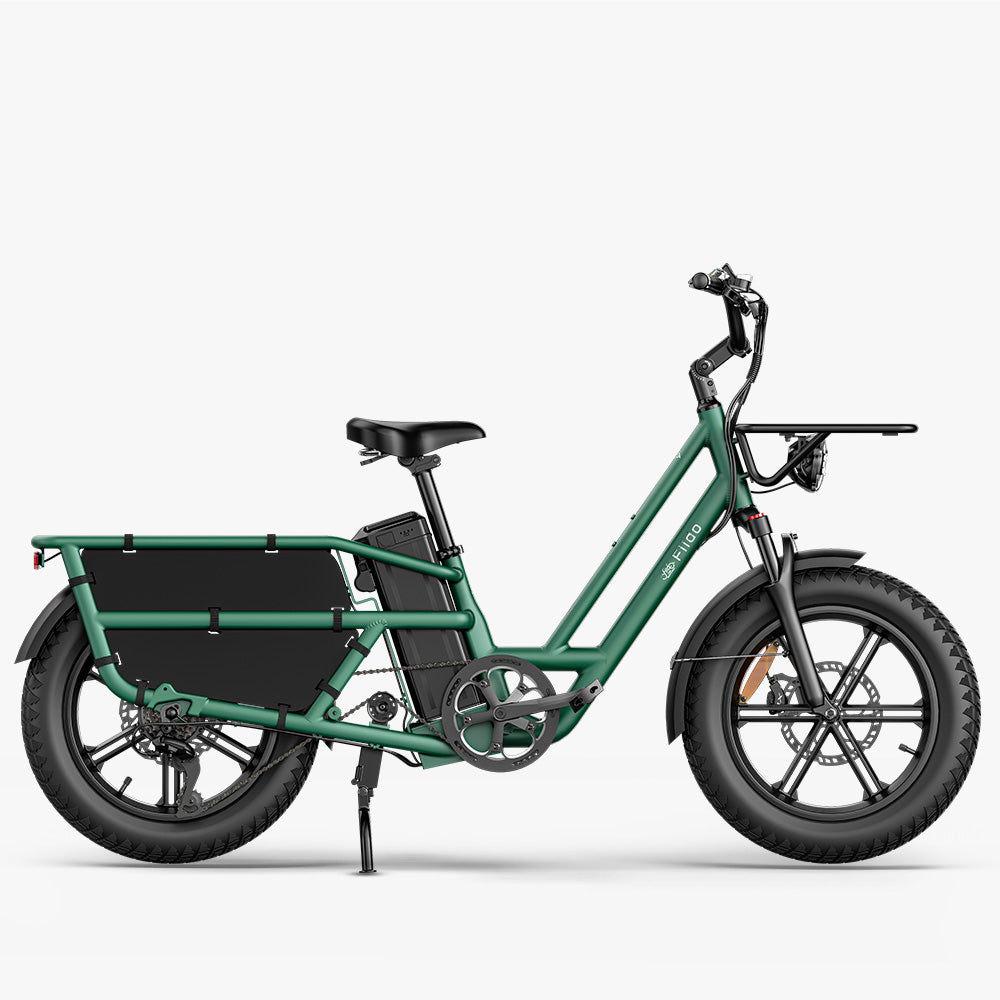
T2 two-seater E-bike
Equipped with a sturdy rear rack, can carry up to 80kg
Reminder: Prices are subject to the product detail page ,some earlier card details may have been updated.
Fiido C21
The Fiido C21 City E-Bike is designed for long rides on mixed terrain. Its strong battery and smooth ride allow for consistent effort over long distances. Lower assist modes help you burn more calories during extended rides, whether on city streets or gravel paths.
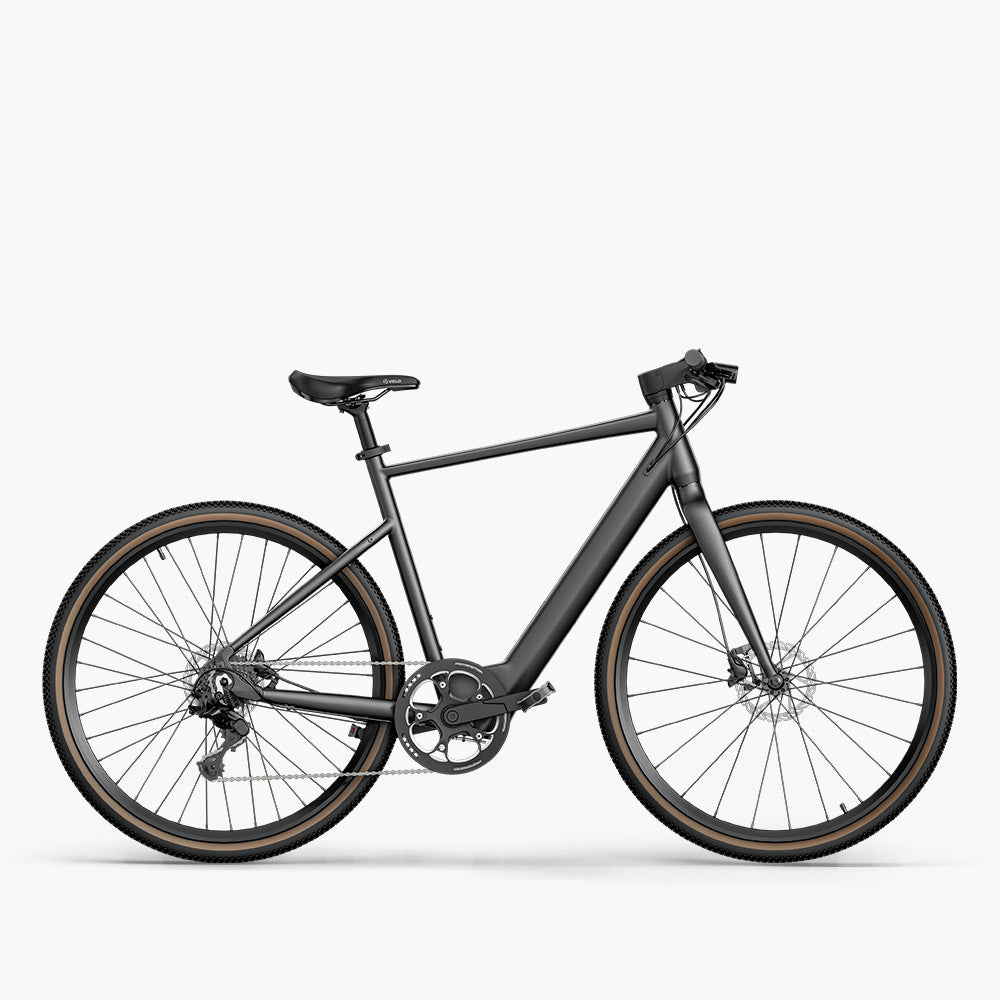
Fiido E-Gravel C21 Electric Bike
Urban communter electric bike with torque sensor, only 17.5kg.
Reminder: Prices are subject to the product detail page ,some earlier card details may have been updated.
These three Fiido models—Fiido M1 Pro, Fiido T2, and Fiido C21—allow riders to adjust the power assistance and tailor their effort, making it easier to burn more calories while enjoying cycling.
Frequently Asked Questions
How many calories do you burn cycling for 1 hour?
Can you lose weight riding an electric bike?
Yes. E-bike riders burn 300–600 calories per hour, particularly at low or medium assist levels. Regular e-bike riding creates a genuine calorie deficit and supports weight loss over time. Research also shows that e-bike riders tend to ride more often and cover more distance, often resulting in higher total weekly calorie expenditure than infrequent traditional cyclists.
Does e-bike riding count as exercise?
Yes, it does. Studies confirm that e-bike riders achieve moderate-intensity heart rates — especially on lower assist settings — meeting established guidelines for aerobic exercise. E-biking provides real cardiovascular, metabolic, and muscular benefits, and is particularly valuable for beginners, older adults, or people returning to exercise after injury or illness.
How many calories do you burn on a 30-minute bike ride?
For a 70 kg (155 lb) person at a moderate pace, a 30-minute ride burns approximately 250–300 calories on a regular bicycle. On an e-bike, you can burn 150–300 calories in the same time, with the final number dependent on assist level and terrain. Hilly terrain and higher effort can push these figures noticeably higher on both bike types.
Is cycling or e-biking better for weight loss?
What assist level should I use on my e-bike to lose weight?
Final Takeaway
Every pedal stroke counts — whether you're on a carbon road bike or a 65-pound electric commuter. Traditional cycling burns more calories per hour at equivalent speeds and effort levels, but that advantage only matters if you're riding regularly. E-bikes remove the friction that stops many people from riding at all.
The five factors — body weight, riding speed, terrain, pedal-assist level, and how consistently you ride — are your real levers. Dial in the right combination for your goals: lower the assist, push the pace, seek out hills, and ride more often. Whether it's a road bike or an e-bike, a smarter rider will always outburn a more passive one.


