













In modern hunting, the real challenge often goes beyond spotting and successfully harvesting game—it lies in how to safely and efficiently transport the game and gear out of the hunting grounds. Whether navigating forest roads, gravel logging trails, or slippery grasslands and gentle slopes, game transport is consistently the most physically demanding and high-risk part of the hunt.
For this reason, more and more hunters are combining ebikes with cargo trailers. This approach not only reduces physical exertion but also redefines the efficiency and safety of game transport.
5 Ways to Efficiently Use an E-Bike Cargo Trailer in Hunting
An eBike cargo trailer is not merely an auxiliary tool for “ideal conditions”; its true value lies in helping hunters transport game more efficiently and safely in the most common, realistic hunting environments. The key is not whether you use a trailer, but whether you use it correctly in the appropriate terrain and scenarios.
1. Load Everything at Once to Reduce Back-and-Forth Trips
When traveling on forest roads or logging trails, load game and gear onto the trailer at once and maintain a steady pace along relatively flat routes. Hunters typically need to ride 5–15 km to reach campsites or parking areas. Without loading everything at once, multiple trips are required, and each lift or load consumes significant energy, causing fatigue and reducing transport efficiency. Therefore, one-time loading significantly reduces physical strain while keeping game and gear stable and secure.
2. Choose Smooth Routes and Avoid Obstacles
When selecting a route, observe ground color and texture: hard, lighter-colored areas with clear tracks usually provide better support. Also, avoid sudden changes in slope or obvious depressions. Traveling along established tracks enhances trailer stability, reduces strain, and improves transport efficiency.
3. Control Your Pace and Maintain Stability
On open grasslands, field edges, or gentle slopes, maintain an even, slow pace and avoid frequent stops to adjust loads. Ride along established tracks or slightly compacted paths; keep hands steady on the handlebars without overgripping, lean slightly forward to balance your center of gravity, and adjust gears appropriately—use low speed for climbs, medium speed on flat or downhill sections. Minimize sudden stops or sharp turns; travel straight or along gentle curves to protect game and equipment while reducing physical exertion.
4. Adjust Trailer Position and Weight Distribution Flexibly
In narrow or uneven terrain, adjust the position of game and gear on the trailer as needed: place heavier items in the trailer’s center or near the wheel to keep the center of gravity low and stable; lighter items can go to the sides or front/back edges to maintain balance. On uphill sections, shift heavier items slightly forward to help the trailer move smoothly; downhill, move them backward to prevent the trailer from surging forward. Flexibly adjusting weight based on slope, road width, and ground conditions improves trailer stability, reduces tipping or shifting risks, and lowers physical exertion.
5. For Long-Distance, Deep Hunts
For hunters going solo into hunting grounds 5–15 km away, the trailer serves as the primary tool for one-time transport. Following relatively flat or straight paths reduces energy expenditure, and planning routes in advance when encountering complex terrain ensures a safe return.
Usage Tips
Note that cargo trailers are not suitable for extremely narrow brush areas, steep mountains, or paths that require frequent lifting of the trailer. Proper route selection and prioritizing existing paths maximize the trailer's efficiency and safety benefits.
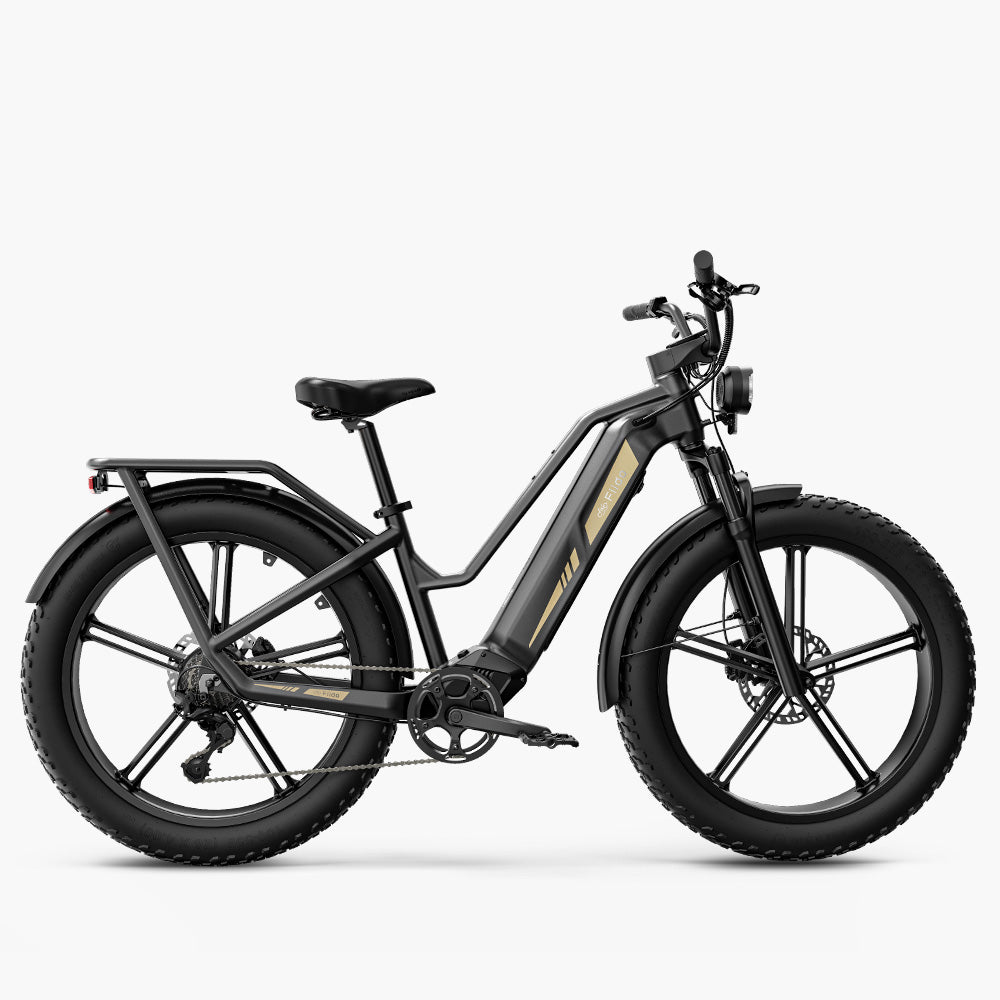
Fiido Titan Robust Cargo Electric Bike
A powerhouse with a 347 km range and 4-piston brakes, ideal for hunting and fishing trips.
Reminder: Prices are subject to the product detail page ,some earlier card details may have been updated.


